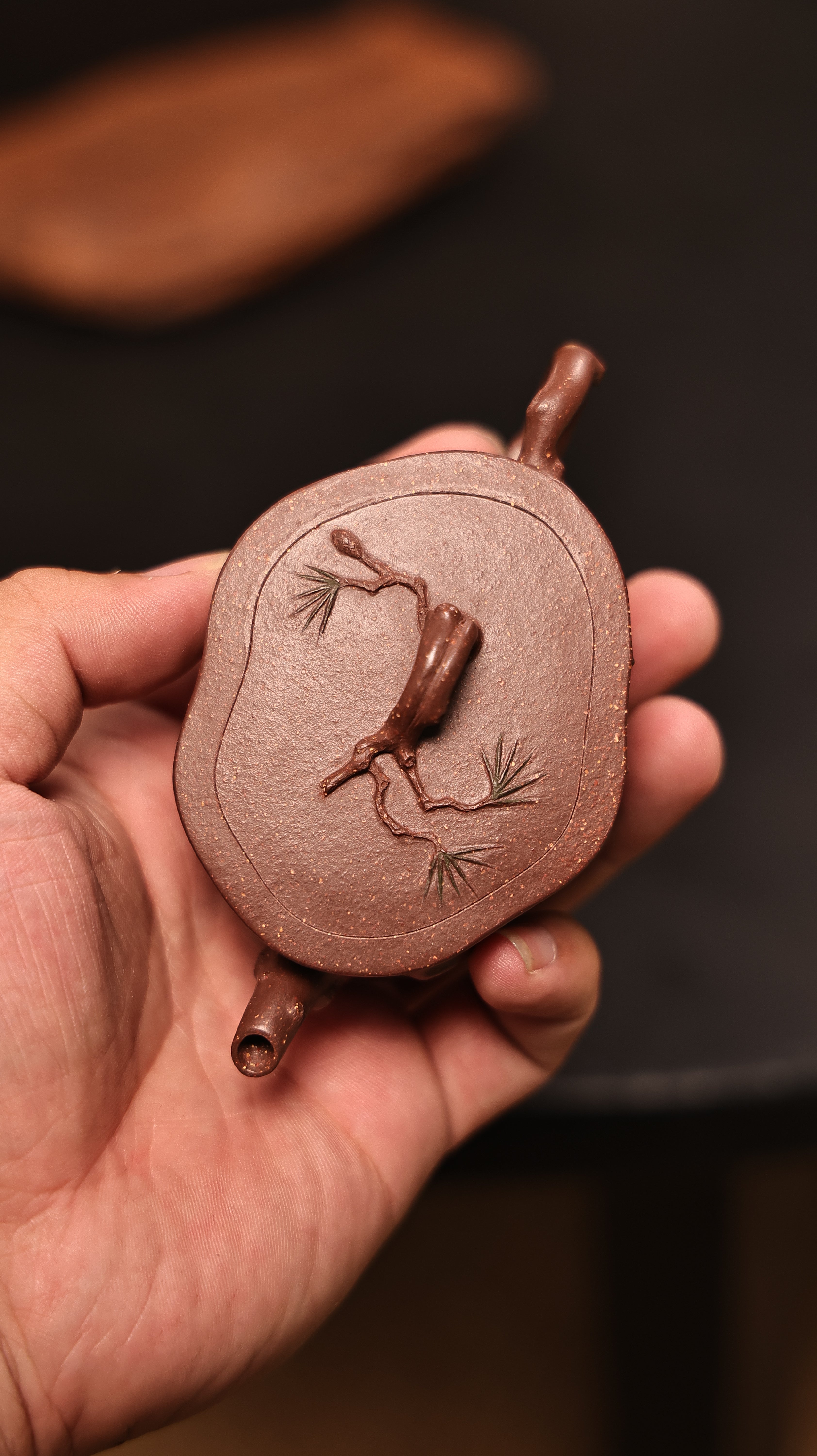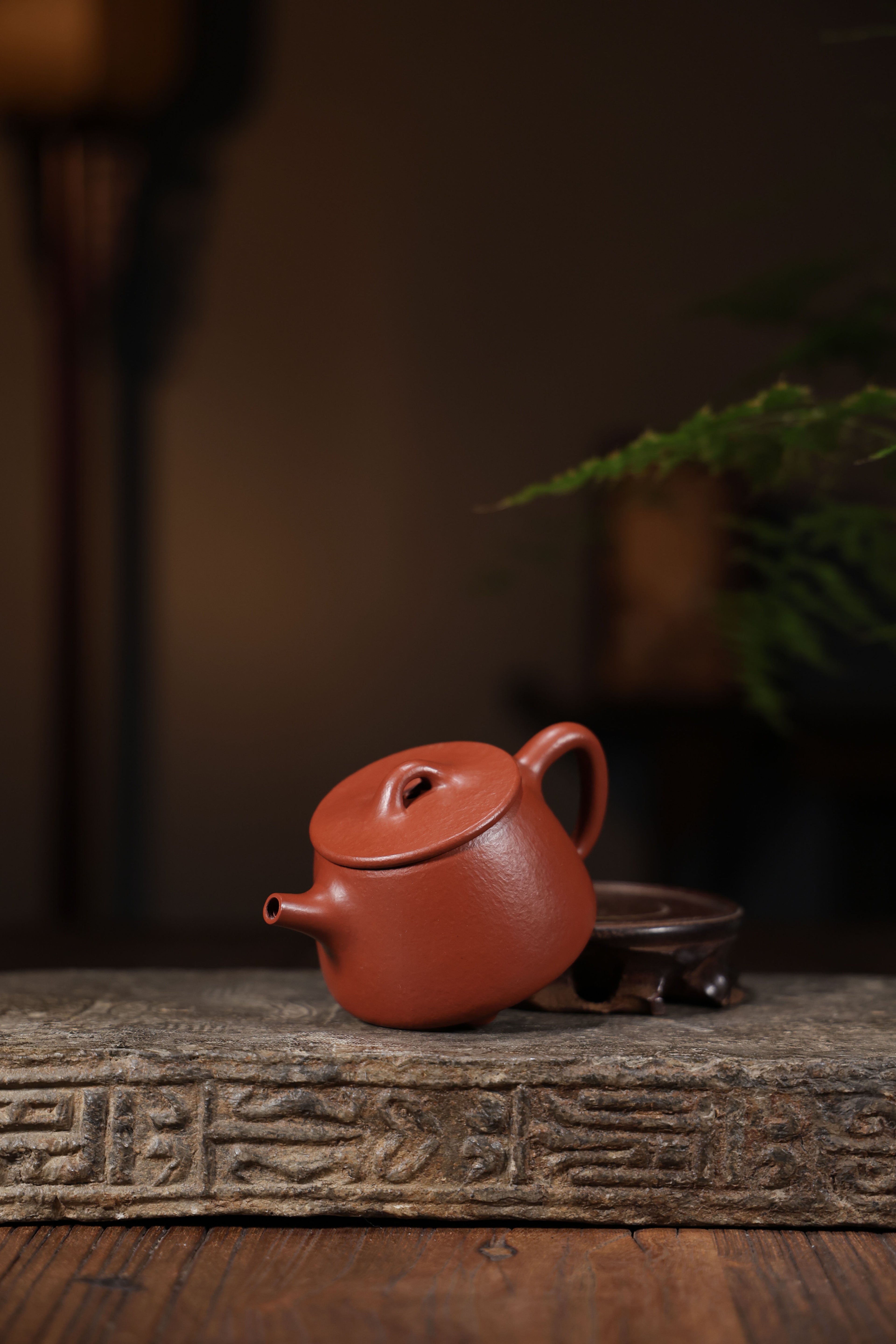
Enduring inheritance distinguishes Minjiang jugs for generations,
Expressing exclusive properties derived through homegrown mauve substances, such jars build up a luster amid employment, refining bouquet drawn from steeped infusions.
Comprehending Yixing Soil: In-Depth Insights into Zisha
Numerous followers honor the exceptional makeup of Yixing lavender clay, a base of time-honored Chinese ceramics. Appearing from the Yixing region of Jiangsu province, this valuable clay presents an fine mineral constitution, that delivers amazing qualities to the crafted containers. Forms within Zisha, including Bing Mud, Duan Ni Mud, and Jiang Xi Mud, each displays specific hues, feels, and curation traits, changing the airflow and the final accent ripening of the beverage.
Chinese Urn Practices: Investigating Expertise
Far Eastern teapots embody beyond mere flasks for liquid; they embody centuries of inherited craft. From the renowned Yixing clay variations, respected for their spongy nature which adds distinctive nuances to the brew, to the ornate porcelain from Jingdezhen, each piece conveys a story of effort. The crafting process is an precise pursuit, often transmitted through clans of professionals. These specialists use long-standing systems such as hand-building, throwing on wheels, and adorned, demonstrating profound reverence for the clay and the trade itself. Consider the commitment invested in each piece as a symbol of Chinese stoneware legacy.
- Southern containers: a timeless pick.
- Delicate ceramics teapots: recognized for their delicate design.
- Shaping techniques: a demanding yet beneficial procedure.
Chinese Zisha Jar Handling: Maintaining Your Beloved Piece
Proper care of your esteemed Yixing Zisha teapot is important to securing its beauty. Crafted from recognizable purple sand soil, these first-rate teapots build a lovely patina after utilization, greatly boosting their allure. Eschew agents; a gentle rinse with warm solution is appropriate. Never hot water for scrubbing the teapot, as it may degrade its makeup. Allow it to air dry away from strong daylight. Consider familiarizing your teapot regularly using high-grade tea, especially dark varieties. Here is a brief checklist:
- Swill with pleasantly warm aqueous.
- Shun soaps.
- Permit it to evaporate moisture.
- Mature with choice tea.
History of Yixing Teapots: From Basic Inception
The chronicle of Yixing teapots initiates basically during the Yuan dynasty, circa the 16th time. Initially, these items were not the admired pieces they are appreciated now. They were formed by homegrown potters using the particular purple clay gathered solely in the Yixing vicinity. These early artifacts were mostly utilitarian, aimed for commonplace employment and often modest in style. It was not until the subsequent dynasty that they started to earn prestige beyond mere working goods.
Considering the Suitable Jiangsu Container: A Beginner's Manual
Approaching the arena of Yixing teapots can be discouraging, but never fearing! For beginners, the central factor is understanding the sediment. Original Yixing clay is prized for its ventilation, allowing the teapot to absorb the tea's tone over time, amplifying every making session. Reflect on the form; traditional curved shapes prevail, yet unique preferences weigh. Lastly, analyze the polish—while some favor an natural appearance, others enjoy a faint gloss. Take your time in the acquisition process—this is an acquisition in a appreciated piece of creation.
Eastern Clay Vessels and Their Importance on Chinese Infusion Tradition
Zisha urns, derived from Yixing, China, have profoundly defined enduring Chinese beverage culture. The Yixing clay teapots, prized for their special color, pattern, and exceptional ability to impart a subtle aroma to the concoction, act as more than mere vessels; they are cherished works of art and symbols of greatness. The very act of preparing and serving elixir using a Zisha teapot is steeped in heritage, elevating the experience beyond simple refreshment. Successions of artisans have developed their techniques, passed down through lineages, resulting in highly appreciated pieces. Therefore, Zisha teapots are frequently accumulated, playing a crucial part in cultivating local appreciation for aesthetics and the ceremony of beverage ceremonies.
- Peculiar Clay Composition
- Conveying Subtle Flavor
- Beautiful Craftsmanship
Recognizing Certified Rare Native Pieces
Obtaining a verified Yixing teapot can be a pleasurable experience, but the field is often saturated with counterfeits. Detecting between a legitimate antique and a up-to-date reproduction requires exacting inspection. Key signs include the clay's coppery shade, often displaying tiger skin marks, and the shortage of modern kiln imprints. The contour should reveal natural elegance, reflecting the traditional Yixing approach. Finally, reviewing the potter's seal is fundamental to verify certainty against published archives.
- Assess the clay's surface.
- Look for flaws, indicative of artisan quality.
- Request an advisor for verification.
Considering Purple Kettles: A Comprehensive Handbook to Clay Ware Recognition
The industry of Yixing Zisha Yixing Zisha Teapot wares affords a special option for shrewd collectors. More and more, the worth of these traditional artifacts is guided by diverse components, such as the rank of composition, the dexterity of the builder, the historical significance, and, naturally, the current trade. Newcomers should focus on learning about the various species of Zisha clay—such as 冰河, Calm Pot, and Scarlet Earth—and researching the features linked to each. Thorough assessment of the teapot's shape, color, and badge is correspondingly paramount to make experienced judgments when investing.