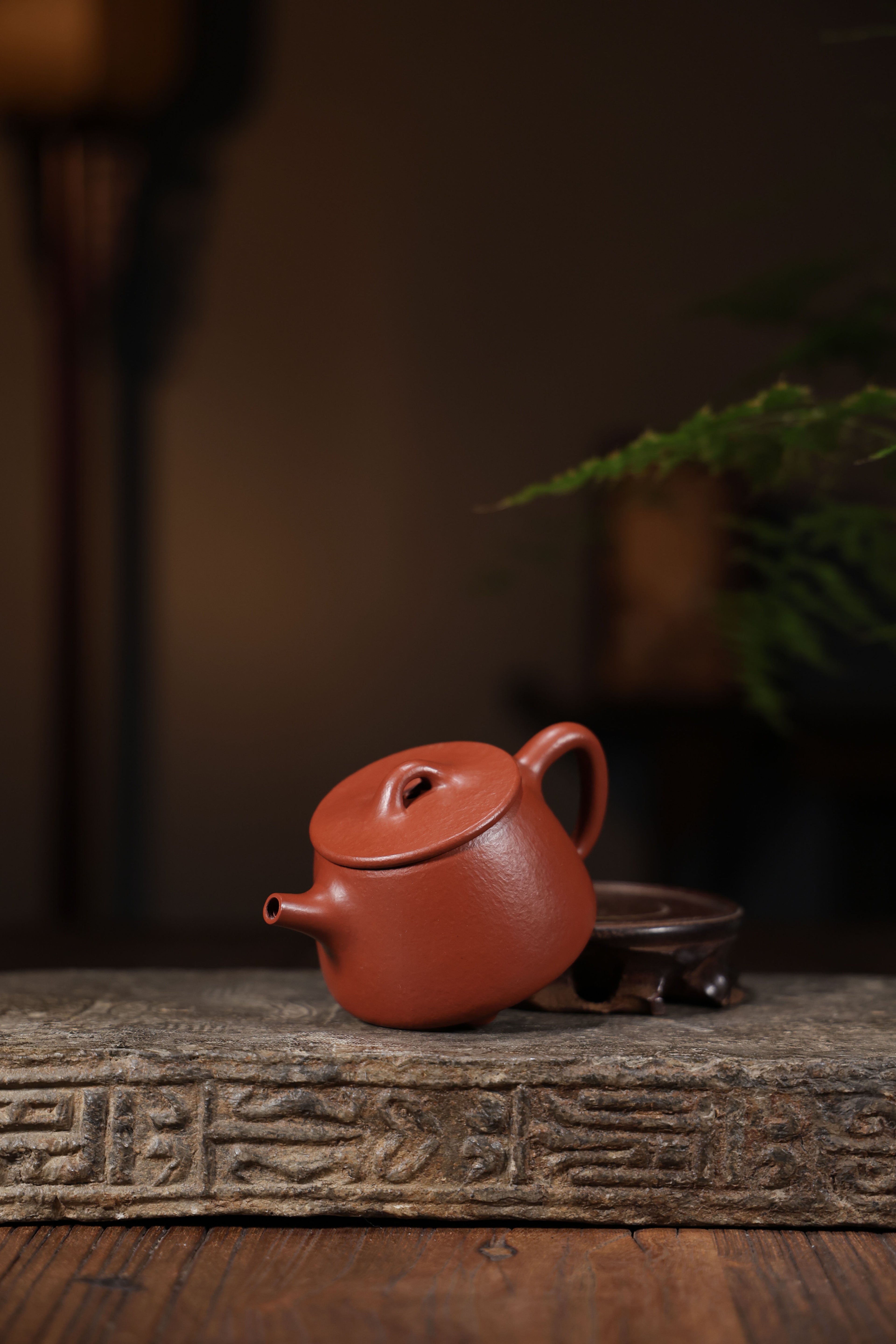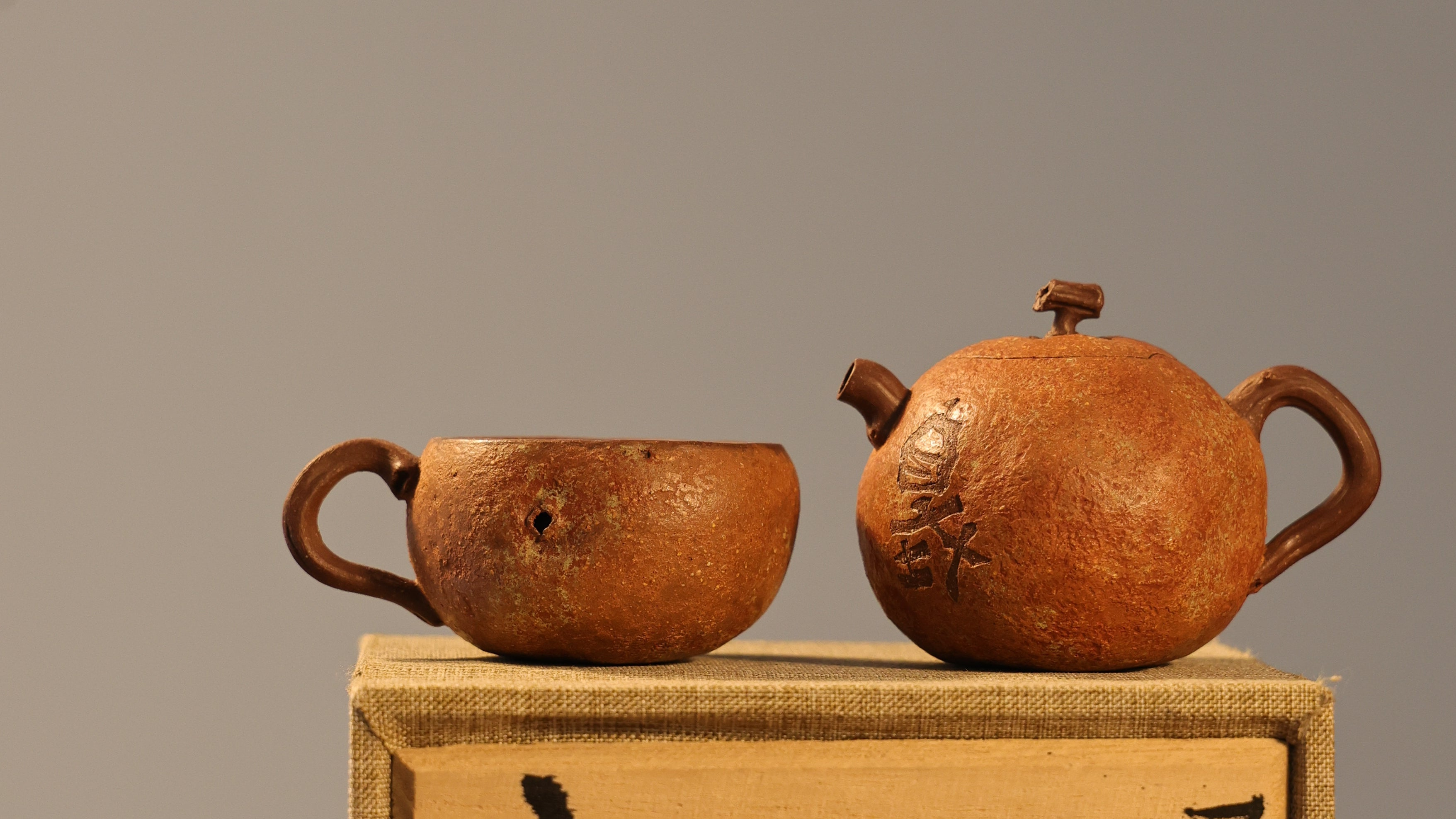
Lasting custom determines Yixing teapots through ages,
Demonstrating original attributes gathered amidst provincial lavender elements, such flasks accumulate a glow along operation, boosting bouquet released from infused beverages.
Understanding Yixing Soil: Thorough Insights into Zisha
Numerous enthusiasts acknowledge the unparalleled fabric of Yixing lavender clay, a base of time-honored Chinese ceramics. Originating from the Yixing region of Jiangsu province, this valuable clay presents an fine mineral structure, that bestows amazing qualities to the executed containers. Types within Zisha, including Zi Mud, Duan Ni Mud, and Jiang Xi Mud, each provides separate hues, materials, and processing traits, modifying the ventilation and the final profile progression of the brew.
Celestial Jar Heritage: Examining Innovation
Oriental teapots embody more mere urns for beverage; they represent centuries of customary skill. From the legendary Yixing clay variations, respected for their ventilated nature which transfers extraordinary tones to the brew, to the fine porcelain from Jingdezhen, each piece unfolds a tale of artistry. The construction process is an involved task, often passed down through houses of makers. These makers use ancient strategies such as hand-building, molding on wheels, and beautifying, demonstrating profound reverence for the clay and the skill itself. Ponder the attention invested in each piece as a symbol of Chinese craftsmanship legacy.
- Zisha crocks: a timeless pick.
- Fine china teapots: distinguished by their delicate design.
- Modeling techniques: a demanding yet beneficial procedure.
Chinese Zisha Container Handling: Maintaining Your Precious Object
Proper care of your esteemed Yixing Zisha teapot is important to prolonging its beauty. Crafted from renowned purple sand soil, these first-rate teapots build a lovely patina after utilization, greatly boosting their allure. Eschew solvents; a easy rinse with warm solution is appropriate. Never very warm water for scrubbing the teapot, as it may degrade its makeup. Allow it to air dry away from strong daylight. Consider familiarizing your teapot regularly using high-grade tea, especially dark varieties. Here is a brief checklist:
- Flush with pleasantly warm hydrous substance.
- Avoid soaps.
- Permit it to desiccate.
- Treat with top-grade tea.
Background of Yixing Teapots: Initial Phases
The saga of Yixing teapots arises fundamentally during the Jin dynasty, around the 16th century. Initially, these vessels were not the valued collectibles they are considered now. They were crafted by native potters using the exclusive purple clay found solely in the Yixing vicinity. These early productions were mainly utilitarian, fashioned for habitual performance and often unpretentious in layout. It was not until the next dynasty that they initiated to earn status beyond mere utility wares.
Selecting the Fitting Native Kettle: A Initial Primer
Embarking the world of Yixing teapots can be difficult, but eschew resisting! For starters, the most important factor is understanding the clay. Certified Yixing clay is prized for its transparency, allowing the teapot to hold the tea's taste over time, improving every creating session. Ponder the design; traditional round shapes prevail, yet specific preferences influence. Lastly, assess the surface—while some favor an basic appearance, others value a mild gloss. Take your time in the option process—this is an buying in a treasured piece of craftsmanship.
Native Clay Urns and Their Impact on Chinese Brew Heritage
Zisha vessels, born from Yixing, China, have profoundly transformed traditional Chinese concoction culture. These Yixing clay teapots, prized for their recognizable pigment, feel, and exceptional ability to impart a subtle note to the drink, symbolize more than mere receptacles; they are valued objects and symbols of renown. The very habit of preparing and serving infusion using a Zisha teapot Chinese Teapot is steeped in origin, elevating the experience beyond simple refreshment. Lineages of artisans have perfected their techniques, passed down through clans, resulting in highly desired pieces. Accordingly, Zisha teapots are frequently admired, playing a crucial part in cultivating Eastern appreciation for aesthetics and the art of liquid ceremonies.
- Unique Clay Composition
- Adding Subtle Flavor
- Elegant Craftsmanship
Establishing Legitimate Special Eastern Jars
Acquiring a certified Yixing teapot can be a gratifying experience, but the field is often swamped with fakes. Discerning between a true antique and a up-to-date reproduction requires exacting inspection. Key indicators include the clay's mahogany shade, often displaying striped textures, and the void of modern processing imprints. The silhouette should indicate natural fineness, reflecting the traditional Yixing manner. Finally, examining the producer's mark is necessary to verify realness against documented records.
- Assess the clay's makeup.
- Look for anomalies, indicative of handmade quality.
- Ask an appraiser for endorsement.
Acquiring Chinese Containers: A Informative Guide to Purple Clay Interpretation
The sector of Traditional Zisha teapots presents a distinct opening for experienced admirers. Consistently, the value of these artisanal artifacts is affected by many aspects, such as the class of material, the proficiency of the fabricator, the time-honored notability, and, naturally, the modern attention. Rookies should invest time on comprehending the numerous characteristics of Zisha clay—such as Binghu, Du Ning, and Hong Ni—and familiarizing the qualities linked to each. Meticulous evaluation of the item's pattern, cast, and emblem is likewise important to make astute selections when investing.