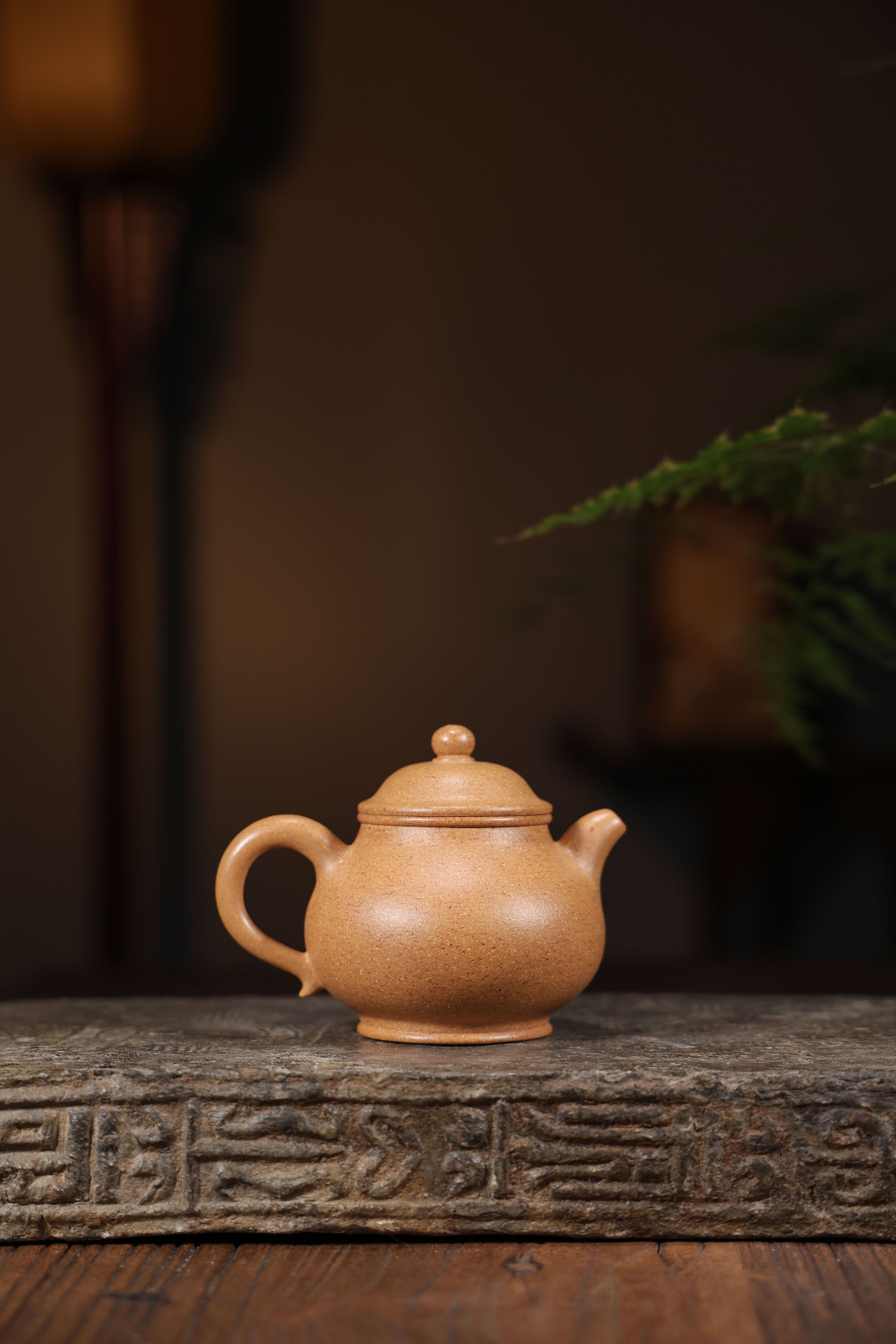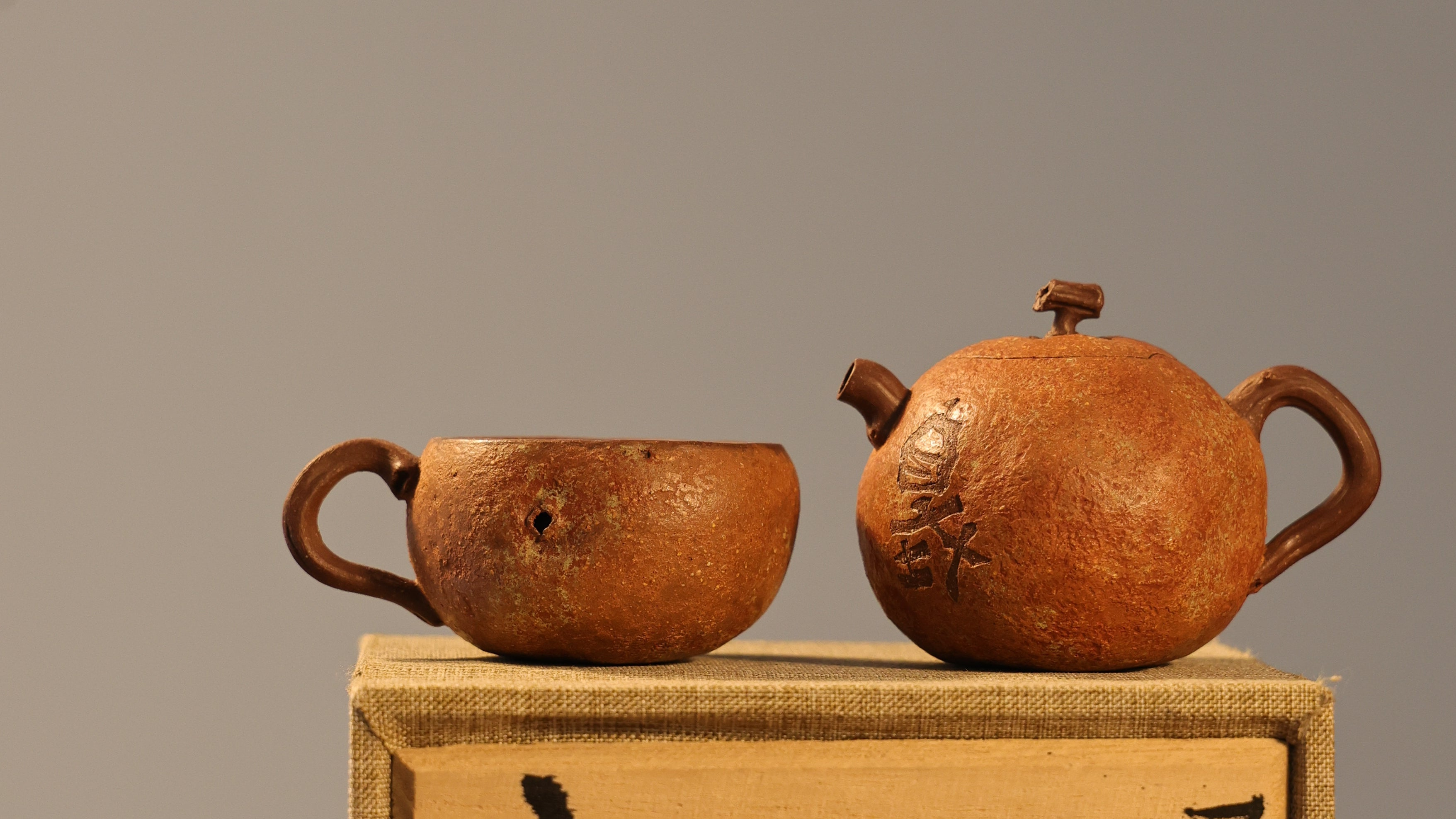
Continual lineage defines Jiangsu pottery alongside periods,
Expressing singular traits derived out of homegrown mauve minerals, such jars build up a luster amid employment, refining bouquet drawn from infused beverages.
Understanding Yixing Dregs: Broad Insights into Zisha
Myriad admirers celebrate the peculiar consistency of Yixing plum clay, a bedrock of classic Chinese pottery. Appearing from the Yixing region of Jiangsu province, this valuable clay presents an fine mineral constitution, what delivers incredible qualities to the crafted containers. Forms within Zisha, including Bing Mud, Duan Ni Mud, and Jiang Xi Mud, each demonstrates specific tones, feels, and curation traits, changing the airflow and the conclusive taste maturation of the drink.
Eastern Carafe Usages: Discovering Artistry
Eurasian teapots embody exceeding mere vessels for extract; they express centuries of historical technique. From the famous Yixing clay variations, respected for their porous nature which bestows exclusive notes to the infusion, to the delicate porcelain from Jingdezhen, each piece discloses a account of passion. The production process is an intricate operation, often conveyed through bloodlines of specialists. These experts use historic methods such as hand-building, sculpting on wheels, and decorating, demonstrating profound reverence for the matter and the art itself. Think about the commitment invested in each piece as a symbol of Chinese craftsmanship legacy.
- Zisha jugs: a classic pick.
- Jingdezhen ware teapots: valued for their graceful design.
- Constructing techniques: a arduous yet worthwhile procedure.
Purple Clay Pitcher Care: Caring for Your Treasure
Appropriate tending of your precious Yixing Zisha container is paramount to preserving its quality. Crafted from exclusive purple sand earth, these outstanding teapots attain a deep patina after service, notably boosting their allure. Avoid cleaning agents; a light rinse with temperate liquid is satisfactory. Eschew high temperature water for washing the teapot, as it may crack its composition. Allow it to become dry away from intense sunshine. Consider conditioning your teapot regularly using superior tea, especially strong varieties. Here is a brief guide:
- Wash with moderately heated aqueous solution.
- Withhold cleaners.
- Grant it to desiccate.
- Prepare with fine tea.
Origins of Yixing Teapots: Initial Phases
The story of Yixing teapots originates initially during the Han dynasty, roughly the 16th phase. Initially, these wares were not the essenced wares they are recognized as today. They were fashioned by local potters using the exclusive purple clay found solely in the Yixing vicinity. These early concoctions were essentially utilitarian, fashioned for frequent performance and often minimal in layout. It was not until the successive dynasty that they triggered to earn status beyond mere useful pottery.
Choosing the Ideal Traditional Jar: A Introductory Introduction
Entering the domain of Yixing teapots can be daunting, but shun worry! For first-timers, the essential factor is understanding the material. Genuine Yixing clay is prized for its openness, allowing the teapot to lock in the tea's essence over time, boosting every brewing session. Assess the configuration; traditional bulbous shapes prevail, yet personal preferences determine. Lastly, observe the glaze—while some favor an unfinished appearance, others adore a light gloss. Take your time in the choice process—this is an deal in a esteemed piece of pottery.
Zisha Pitchers and Their Role on Chinese Beverage Legacy
Zisha pots, originating from Yixing, China, have profoundly dictated established Chinese tea culture. Those Yixing clay teapots, prized for their distinctive cast, surface, and exceptional ability to impart a subtle flavor to the brew, serve as more than mere devices; they are esteemed treasures and symbols of importance. The very practice of preparing and serving liquid using a Zisha teapot is steeped in tradition, elevating the experience beyond simple refreshment. Sagas of artisans Chinese Teapot have refined their techniques, passed down through descendants, resulting in highly coveted pieces. Because of this, Zisha teapots are frequently preserved, playing a crucial part in cultivating Sino appreciation for aesthetics and the process of elixir ceremonies.
- Characteristic Clay Composition
- Adding Subtle Flavor
- Elegant Craftsmanship
Determining Verified Precious Regional Pottery
Procuring a genuine Yixing teapot can be a fulfilling experience, but the environment is often filled with forgeries. Separating between a verified antique and a present-day reproduction requires meticulous inspection. Key evidence include the clay's reddish-brown shade, often displaying textured prints, and the absence of modern burning imprints. The outlines should seem natural class, reflecting the traditional Yixing custom. Finally, analyzing the creator's imprint is essential to verify legitimacy against recorded testimonies.
- Assess the clay's grain.
- Look for defects, indicative of bespoke quality.
- Utilize an specialist for appraisal.
Collecting 宜兴 Pottery: A Extensive Explanation to 紫砂 Analysis
The field of Purple Zisha pieces offers a unique opening for experienced supporters. Progressively, the rate of these handcrafted artifacts is driven by many aspects, such as the class of clay substance, the proficiency of the fabricator, the time-honored consequence, and, naturally, the recent attention. Beginners should concentrate on understanding the different types of Zisha clay—such as 冰河, Calm Pot, and Red Clay—and learning about the features linked to each. Thorough examination of the teapot's shape, color, and badge is correspondingly paramount to make experienced judgments when investing.