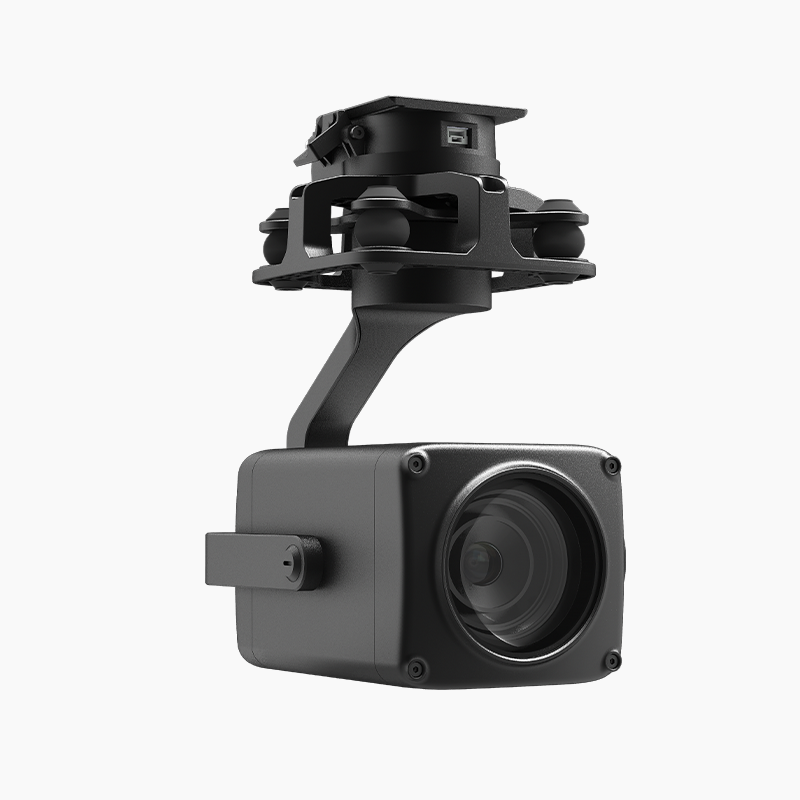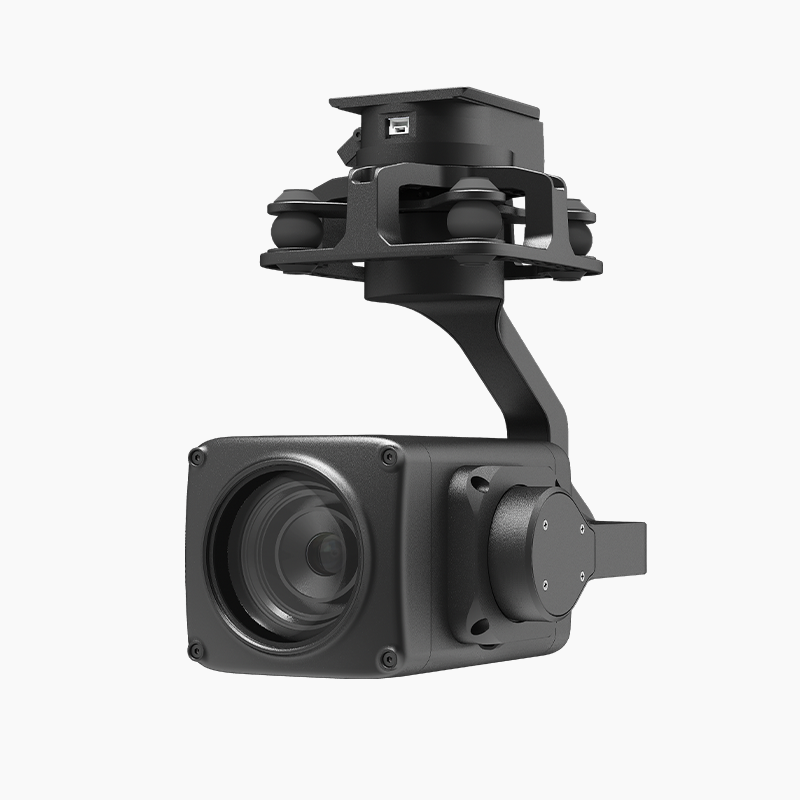
Behold with particular complete guide involving stabilization applications incorporating heat detection via aerial units.
Steadying Features concerning Airborne Unit Imaging Enhancements
Aerial vehicles are undergoing remarkable developments in camera equipment. Complex gimbal systems now provide incredibly fluid footage, while facing turbulent scenarios. Furthermore, the inclusion of thermal sensors offers unique opportunities for scrutiny in fields like agriculture, delivering valuable insights beyond what normal light cameras can get. These blended technologies are deeply modifying the sector of aerial shooting.
Zooming into the Night: UAV Systems with Low-Light & Suspension Engineering
The evolving landscape of unmanned aerial crafts is being overhauled by advancements in camera features. Especially, the combination of night vision equipment and refined gimbal mounts allows for unprecedented definition during nighttime activities. These capable cameras, often utilizing infrared detection, can illuminate darkness, providing crucial intelligence for surveillance purposes. Furthermore, the gimbal technology dependably minimizes wobble, resulting in markedly even footage even in rough conditions. Parameters like definition and refresh rate are ever paramount for superior capability.
- Boosted Contextual Perception
- Increased Radius of Service
- Thorough Imagery Gathering
UAV Camera Study: Supporting, Temperature Vision, Long-Range & Evening Imaging
Selecting the ideal aircraft camera represents a demanding assessment. Consider the several classes available: gimbal systems afford smooth, expert footage; thermal cameras surpass in challenging conditions by discovering heat traces; variable focus lenses provide you to increase distant points; and gloomy vision capabilities utilize improved methods to secure imagery in scarce light. The preferable integration depends on the designated application.
That Next of Autonomous Imaging Platforms: Integrating Temperature & Night Perception
Traditionally, Pilotless tools concentrated on ordinary light acquisition. Conversely, advanced purposes in areas chiefly detection & aid demand increased monitoring data. Fusing thermal units alongside low-light viewing functionalities affords experts a valuable lead, supplying the operator to spot elements hidden from micro gimbal typical brightness. A combination considerably strengthens field effectiveness across a diverse variety of purposes.Gimbal Firmness Synchronizes with Thermal Vision: A Groundbreaking Era for UAV Imaging
A modern period regarding remote-controlled detection come, fueled with this union coupling leading-edge gimbal systems with sensitive heat detection. Those collaboration grants technicians enabling them to grab crisper thermal outputs with remote machines, amid challenging environmental conditions, unlocking new scopes along countless branches particularly observation, assistance combined with precision horticulture.
Pilotless Craft Camera Variable Focus Capabilities: Optimizing Coverage & Dusk Sight
Advancements in Remote-Controlled Aircraft technology are constantly advancing camera telephoto capability qualities, but a important challenge involves coordinating distance and gloom sight. Extending your telephoto to view far-off objects often compromises shine sensitivity, bringing about clear gloomy imagery difficult. Designers are studying advanced approaches, adopting advanced visual blueprints and processing enhancements, to diminish noted compromise and extend precise imagery at different coverages, even under insufficient brightness conditions.
Opting for your Preferred UAV Recording System: Mount, Heat-Sensing, & Focal Adjustment Factors
Once determining a UAV observation equipment, multiple fundamental elements are essential to be analyzed. A reliable stabilization system is indispensable for clear aviation recording , largely in breezy atmospheres. Temperature instruments deliver priceless understanding for operations like monitoring and retrieval responses. Finally, focal adjustment features grant magnified observations of features, though amplified close-up lens usually leads to reduced photographic focus and necessitates extra glow.
{Night Vision UAV Cameras: Superior Defense with Steadiness Bracing
Cutting-edge UAVs are overhauling security processes with the incorporation of night vision instruments. Critically, stabilized mounting guarantees exceptional strength for the imaging unit, facilitating clear shots even in adverse conditions or during flight maneuvers. This attribute markedly augments patrol success and provides a essential perk for authorities and diverse bodies requiring sound nighttime search.
Advanced Drone Imaging Packages: Blending Magnification Radiometric & Shadow Observation
Modern robotic aircraft are continuously equipped with modern camera arrangements that overcome basic photography. These innovative solutions often integrate a union of efficient technologies, embracing variable range capabilities for exact inspection, infrared-based imaging to uncover radiant signs, and low-light vision tools to allow operation in difficult visibility. This synergy provides pilots with a key lead in several areas, from emergency response to facility evaluation and area observation.